
Описание
[](https://url-shortener.curseforge.com/DGqyP)
[](https://discord.gg/XgH4EpyPD2)
# Chest DNA
 
**Records where every item came from and shows it in the item's tooltip.**
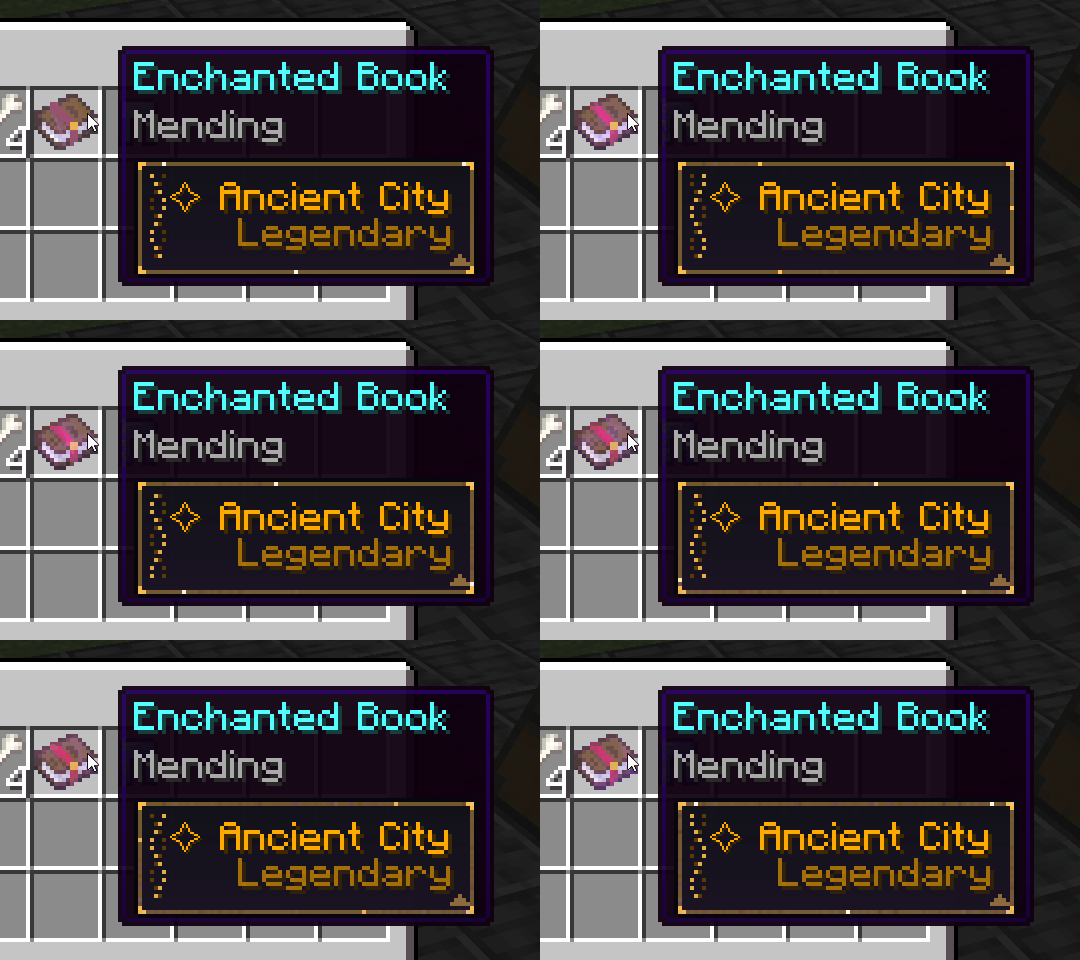
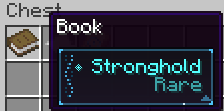
Open a chest and you get loot with no story. Chest DNA fixes that: the moment an item is created it gets an origin stamped onto it, and that stamp travels with the item for the rest of its life.
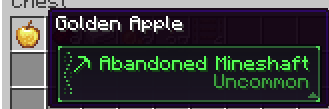
***
## What it does
Whenever an item enters the world - looted from a chest, dropped by a mob, bought from a villager, fished up, crafted, smelted or mined - Chest DNA attaches an **origin** to it containing:
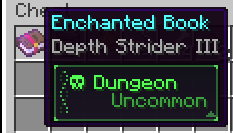
* **Source** - village, dungeon, End City, ancient city, mob, trade, workbench, …
* **Detail** - the loot table it rolled from, or the entity that dropped it
* **Biome** and **dimension** it came from
* **Coordinates** of the exact spot
* **Structure** it was found inside, when there is one
* **Who** obtained it, by name
This is stored as a real data component, so it survives world saves, shulker boxes, ender chests and multiplayer - and it is readable by commands, datapacks and other mods.
## What it looks like
Hovering the item draws a pixel-art card under the normal tooltip, drawn one pixel at a time with no textures, so it stays crisp at every GUI scale:
* source name on top, tier stamped underneath
* frame colour by rarity - grey for a village chest, gold with shimmer pixels crawling around the border for an End City, an ancient city or an ominous vault
* an animated DNA helix down the left edge
* one glance by default; hold **Shift** for biome, dimension, coordinates and finder
* ids are shown only with advanced tooltips (F3+H), like vanilla
The card sizes itself against the screen: long values wrap, it never grows wider or taller than it has to, and it reports its real size so the tooltip always stays on screen.
## Sources it recognises
| Group |Covered |
| ---------------- |------------------------------------------------------------------------------------------------------------------------------------------------------------------------------------------------------------------------------------------------------------------------ |
| Structure chests |village, dungeon, mineshaft, stronghold, nether fortress, bastion, End City, ancient city, woodland mansion, trial chambers, ominous vaults, shipwreck, buried treasure, desert pyramid, jungle temple, igloo, ruined portal, pillager outpost, ocean ruins, bonus chest |
| Creatures |mob drops, boss drops, shearing, cat and sniffer gifts, hero of the village |
| Player actions |crafting, smelting, villager and wandering trader trades, fishing, archaeology, creative menu |
| Mining |every block you break |
36 origin types in total, each with its own name, glyph and rarity tier.
## It does not get in your way
* **Stacking is unchanged.** Two items that differ only in their DNA still stack exactly like vanilla, so a looted cobblestone does not fragment your inventory.
* **The first source wins.** An item is stamped once, when it is created, and never overwritten.
* **Cheap.** One component write per generated item; the structure lookup is skipped for mined blocks so breaking blocks costs nothing measurable.
* **Configurable.** Every source group can be turned off, and so can coordinates, biome, structure and player name if you do not want that data recorded at all.
## Commands
* `/chestdna inspect` - print the full DNA of the item in your hand
* `/chestdna clear` - wipe the DNA of the held item (gamemaster permission)
## For mod authors
The whole system is an open API - see the README for code samples:
* register your own origin types with their own glyph, colour and tier
* claim your own loot tables, or override what Chest DNA says about vanilla ones
* rewrite or veto a stamp before it is written, or listen for stamps
* add lines to the card, or replace its theme entirely
* a `chestdna` entrypoint so your add-on loads at the right moment
## Requirements
Minecraft 1.7.10 - 26.2
Chest DNA installs on either side and never blocks a connection. The server does the recording, the client does the drawing, so what you get depends on where it is installed:
| Setup |Result |
| ----------------------------------- |------------------------------------------------------------------------------------------------------------------------------------------------------------------------------------------------------------ |
| Singleplayer |Everything works, the integrated server records. |
| Client and server |Everything works. |
| Client only, server without the mod |You can join normally. Tested against a plain vanilla 26.2 dedicated server: the client connects and plays with no errors. Nothing is recorded though, because recording is server side, so no cards appear. |
| Server only |Origins are recorded and /chestdna inspect works. Players need the mod to see the cards, so keep it optional for them or hand it out. |
Optional on the client, optional on the server, useful on both.